
COLLECTIONS
Collections
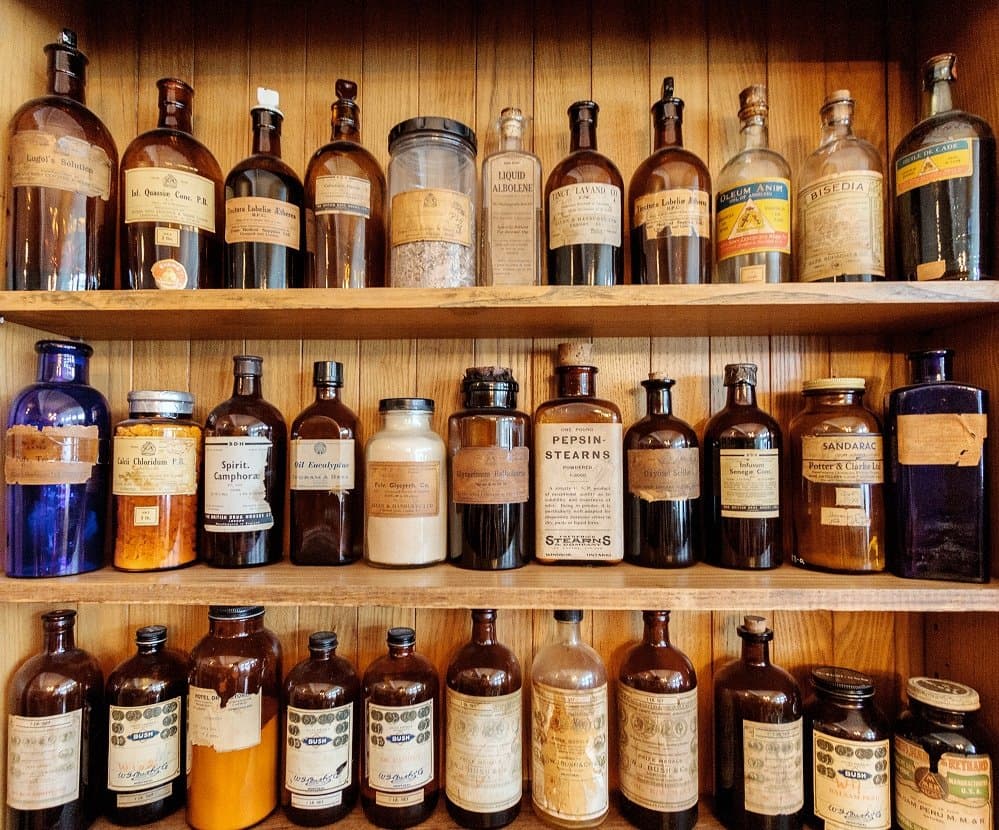
Explore highlights from our collection, tools, and stories from pharmacy in Newfoundland and Labrador.
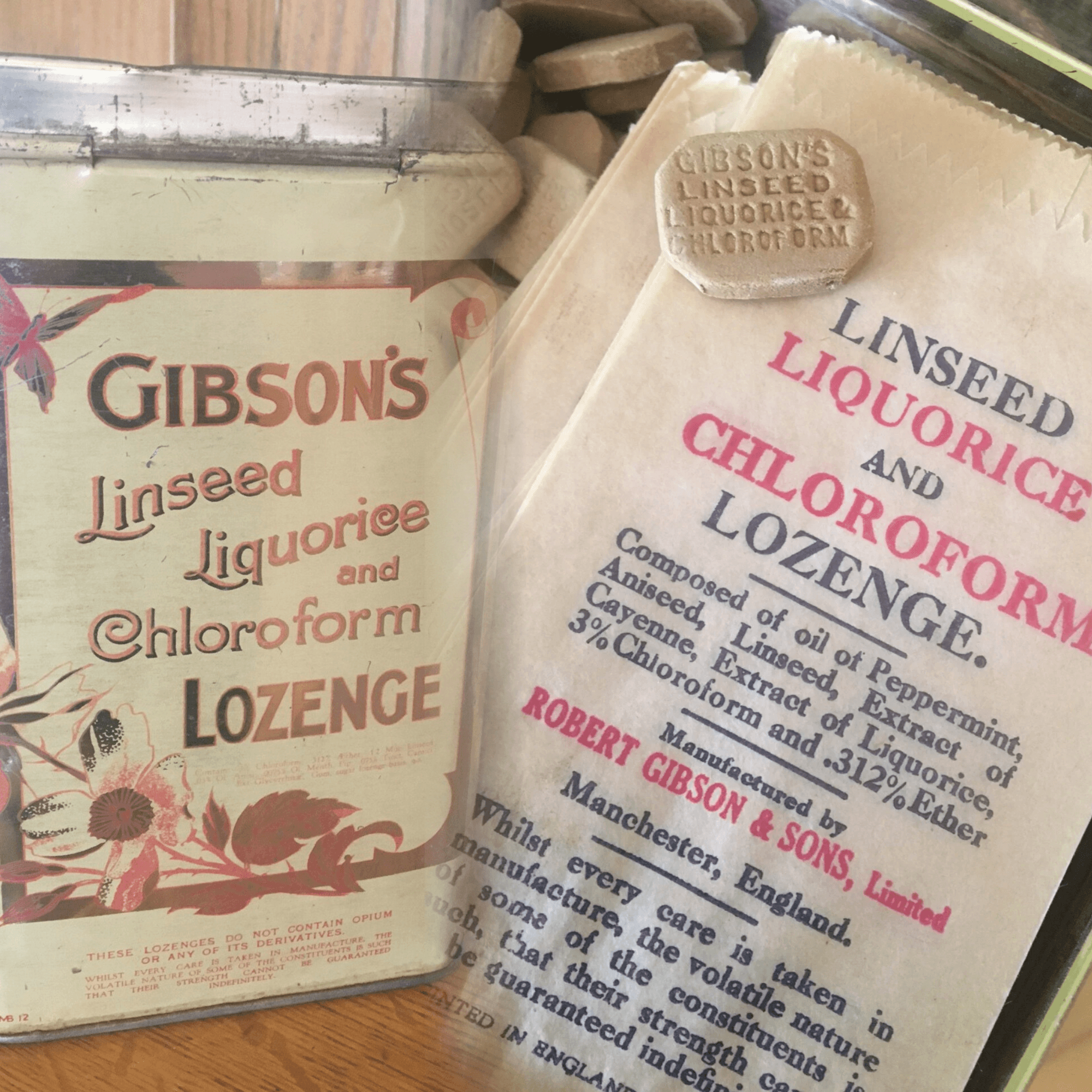
Chloroform Lozenges
This large tin canister once held seven pounds of linseed, liquorice, and chloroform lozenges produced by Gibson & Sons Ltd in Manchester, England, during the late 19th and early 20th centuries.
Around the 1850s, using chloroform for medicinal purposes was very popular. It was a treatment for many ailments, from respiratory conditions to diarrhea. Chloroform can be lethal, but its sedative qualities kept it in circulation well into the 20th century.
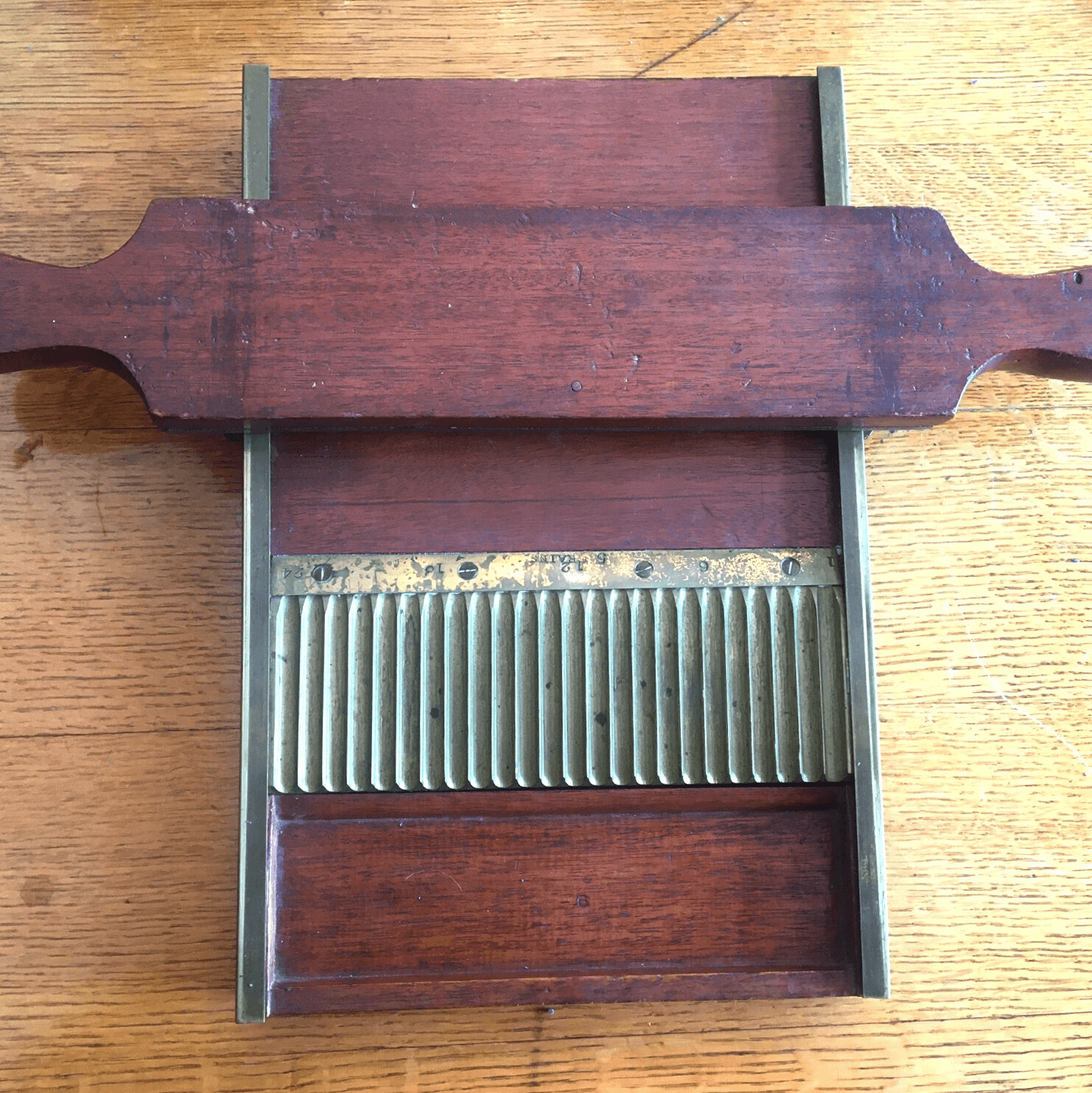
Pill Rolling Machine
Before mass production machines for pills, pharmacies had to roll pills themselves. This device would have been used in the early 20th century. The pharmacist would mix ingredients together and make a paste, which would then be formed into a long cylinder.
The cylinder would be placed in the teeth of the device and the upper component was rolled over top to separate it into individual pills. A rolling disc would be used afterwards to round and smooth each pill.
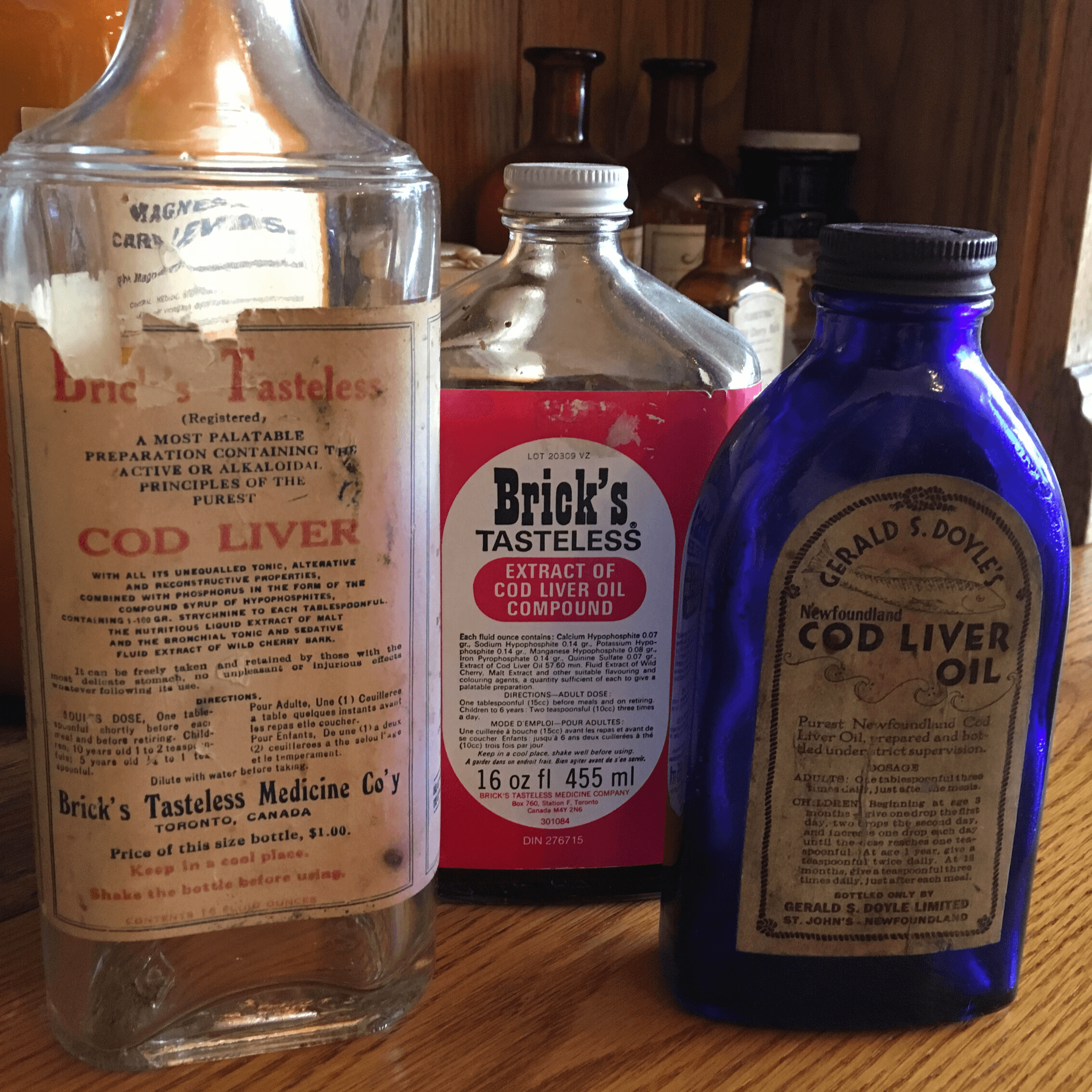
Cod Liver Oil
Cod Liver oil brings back many memories for people from Newfoundland and Labrador. It was used for medicinal purposes for centuries, particularly in northern Europe. In the 20th century, scientists determined that cod liver oil contained high amounts of vitamins A and D, and omega-3s.
This led to wider use as a nutritional supplement, especially for children to help with muscle and bone development and immune function. Today, cod liver oil is flavoured to make it more palatable, but it still can have a very strong fishy smell and taste.
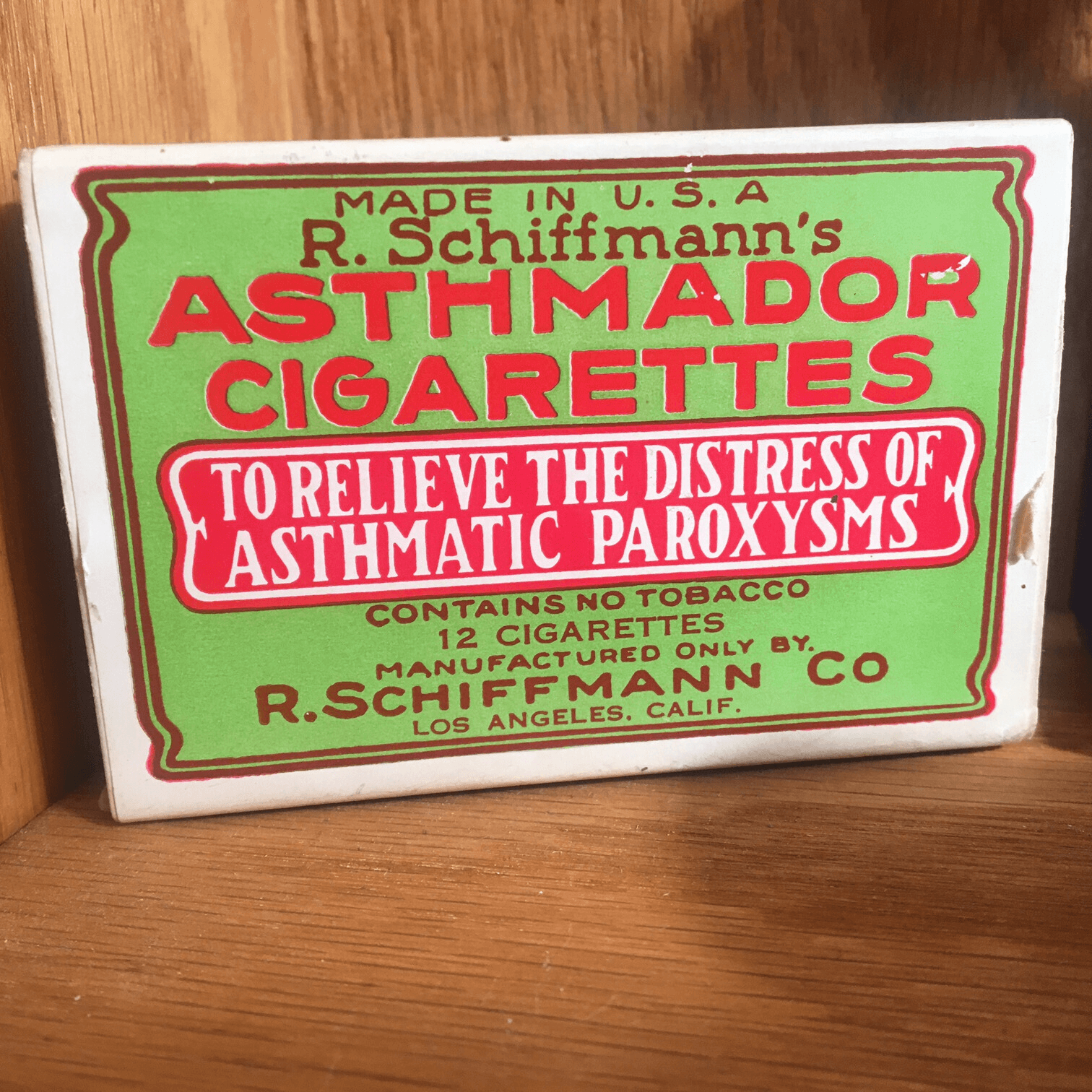
Asthmador Cigarettes
In the late 19th and early 20th centuries, smoking was considered a standard treatment for asthma. Today, we have better ways of delivering medications into the lungs without irritating them with smoke.
Asthmador was a product of the R. Schiffmann Company in the United States. It was available in multiple forms, including cigarettes, incense, and loose powder in a tin. The product was a mixture of stramonium and belladonna, which contain chemicals that open up the airways during an asthma attack but can also have toxic side effects.
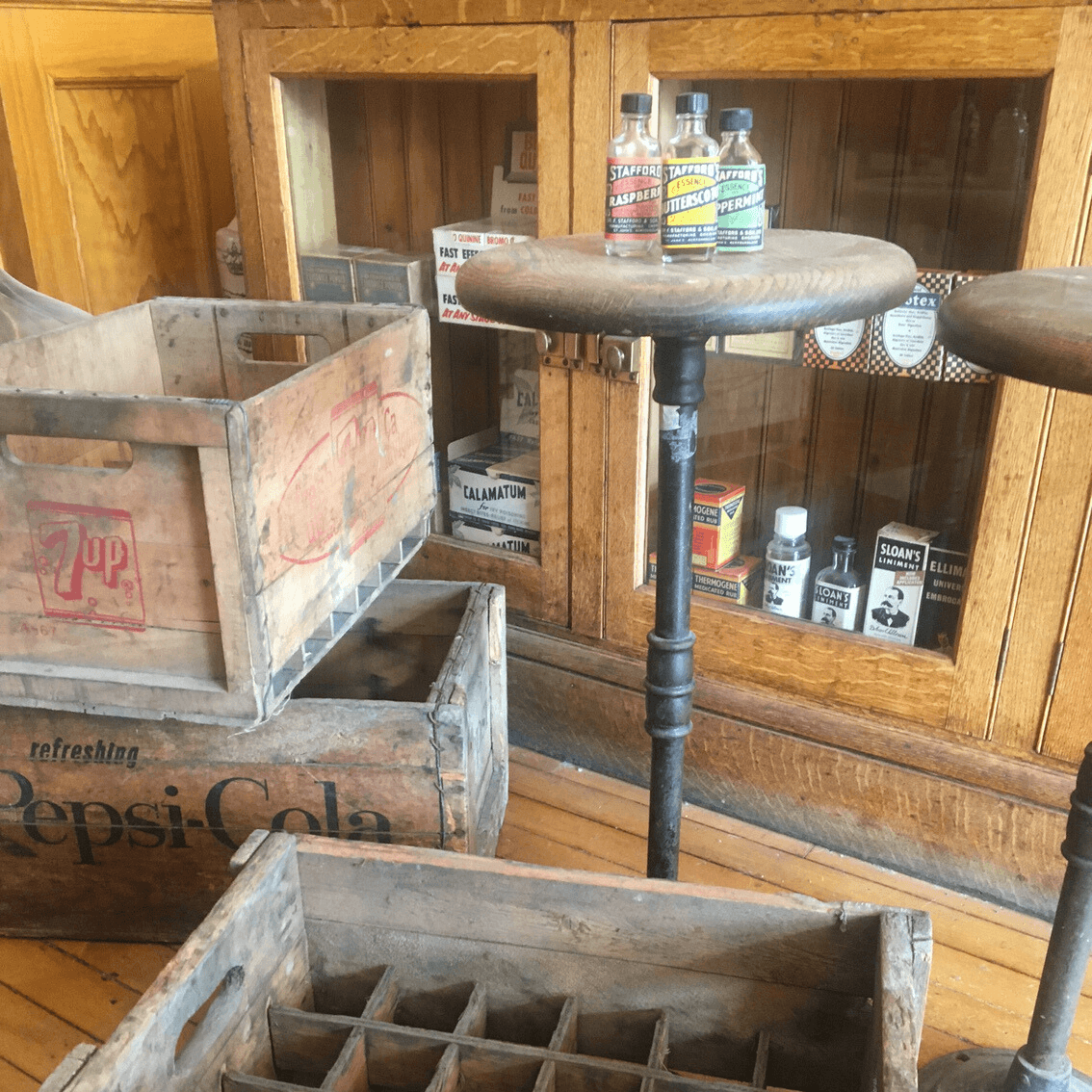
Soda Fountains
These original stools from Peter O’Mara’s Pharmacy were for customers purchasing drinks from the soda fountain. Soda itself and carbonated medicinal products were common, but by the early 20th century, became more for enjoyment.
In addition to the fountain drinks, pharmacies would also sell milkshakes, egg creams, and ice cream sodas well into the 1970s. With the stools, there are original bottles of Stafford’s flavouring extracts and crates used for bottled carbonated drinks which eventually overtook fountain beverages.
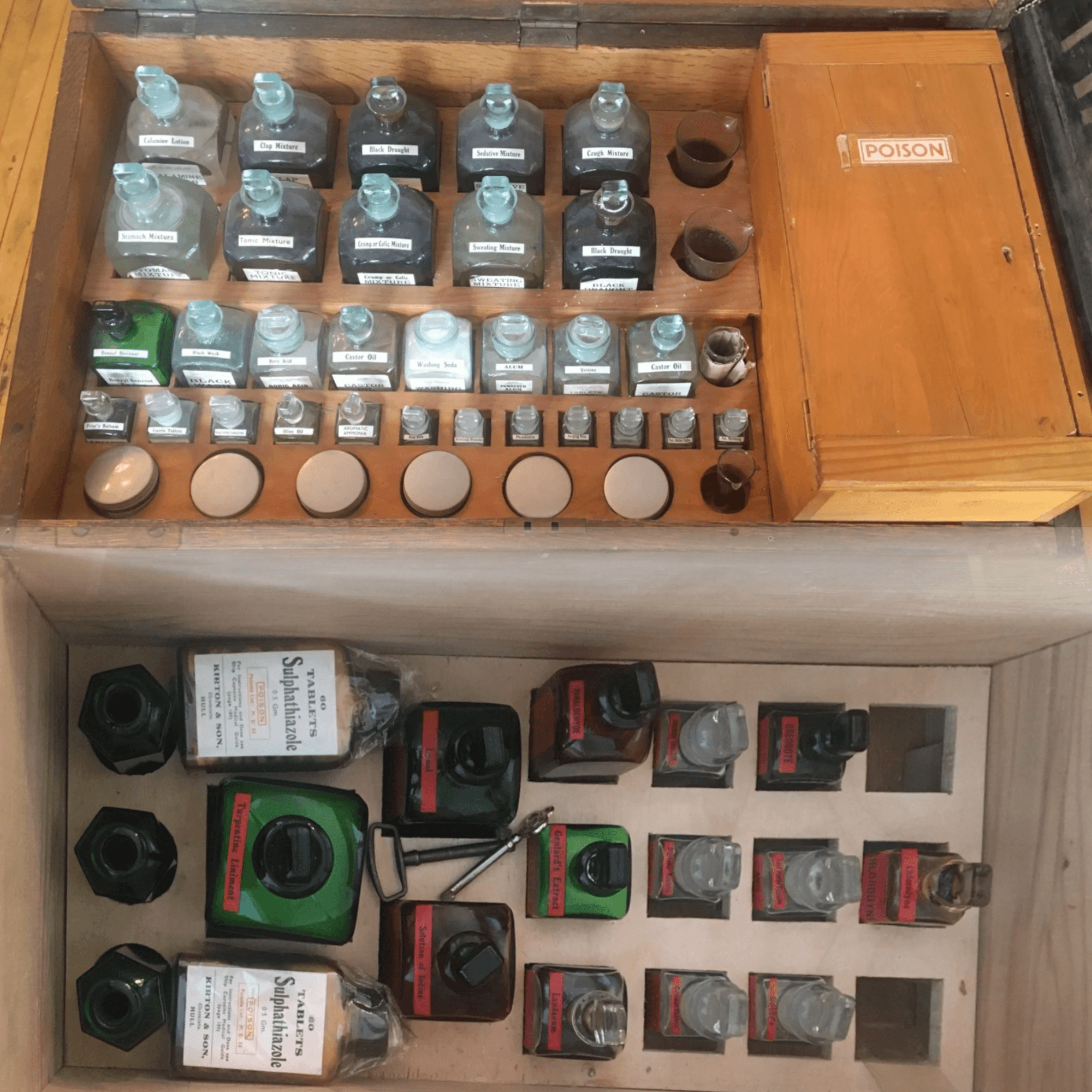
Ship’s Medicine Chest
This large wooden chest would have been aboard merchant ships in the first half of the 20th century. It contains medication supplies to treat crew members for common ailments and emergencies, such as black draught, sweating mixture, and splints and bandages.
It was designed with multiple compartments including one for poisons or dangerous substances. Only a pharmacist, doctor, or captain on the ship would have access to the chest.